How many times per day do you use digital tools such as apps, fitness devices or smartwatches? You probably can’t even count, right? We know from our own experiences that digital tools are expanding into nearly every aspect of our lives. And the consumers we’re speaking to in the field have certainly verified this as well – even elderly populations and consumers of low socioeconomic status.
Whether we are having conversations related to home energy, credit cards or health condition management, digital is becoming more and more a part of the conversation. So we decided to take a look at our recent research projects to understand exactly how and why consumers are using (or not using) digital tools.
We uncovered several drivers that consumers desire or even require in digital interactions, and if your company is playing in this space, we highly recommend you take a look.
Those insights got us thinking: What’s next? So our team did some online research to get a glimpse of the digital tools we all may be using within the next few years. Here’s a sneak peek:
Consumer personal health on demand (aka wearables) is still growing strong. If you don’t already have a fitness tracker, you might by the end of 2017 – and yours might be in the form of a ring rather than a watch.
Consumers are becoming more and more connected. From smart homes to ceiling tiles that wirelessly power our devices, tech will continue to infiltrate our homes and lives.
Artificial intelligence (AI) is no longer something seen only in sci-fi movies. Machine learning is ever increasing. For example, it’s apparent in the form of autonomous vehicles and personalized digital concierges like Wiidii.
Technology is helping to level the playing field for consumers with disabilities, including apps that help the blind “see” and software that interprets and translates sign language.
There’s a big part of our team who, we’ll be honest, loves nerding out on this stuff. But we also know understanding consumer expectations related to tech could have a big impact on your business. Read how by requesting our full trend report here.
Have you ever wondered what a room full of creatives, innovators, researchers, music lovers, techies and financial gurus would be like? Look no further than South by Southwest Interactive (SXSW). In March, our team was right in the middle of this crowd in Austin, Texas.
SXSW brings together individuals from across the world to discuss what’s next for consumers and businesses – and challenges them to drive innovation across all industries. Our researchers were excited to attend events that specifically addressed our areas of expertise: finance, health care and consumer-packaged goods. While they left with notepads full of ideas, the team wanted to share three key takeaways.
Technology
We know technology is touching every area of our lives, and the speakers at SXSW wouldn’t disagree. Whether presenting on the future of mobile banking or the importance of health monitoring devices, the conference made it clear that we live in an increasingly digital world. Speakers specifically focused on how these advancements can directly resolve consumer needs. Fintech and virtual reality took center stage.
Storytelling
Utilizing emotional narratives to fuel consumer product development was also a common theme. For example, Jeff Dachis, founder of diabetes care startup One Drop, expressed the need for direct patient interaction in the health care space. “By speaking with consumers, companies can better understand patients’ lives and make their product a crucial piece of their care,” he said. “If you’re just a piece of the puzzle, you’re not solving the puzzle. Talk to users about every part of their journey and where you can add value.”
Inclusion
Diversity in the tech space is often a theme at SXSW – this year more than ever. Sessions ranged from combating ageism to the impact LGBTQ people have on the workforce. Our team learned how data can create a better business climate for all people, legally and economically. By honoring stories, companies are able to create deeper connections. Writer Fawzia Mirza said it best: “We are telling stories every single day, and we love that feeling of sharing and receiving.”
Four full days of interactive sessions, panels and speakers left our researchers brewing with inspiration. Check back in May to learn what our creative team discovered at SXSW.
Think about your last shopping trip. Did you pause at the laundry detergent aisle to consider your options, or did you just grab your longtime favorite? How about the toothpaste and cereal aisles? For many of us, the choices are simple. That’s because we long ago formed relationships with brands we know and trust.
In a world of ever-increasing options, achieving this brand loyalty is more important for brands than ever before. And that extends from the shoes we wear to the cars we drive and beyond. So, what is currently driving consumer brand loyalty? And how can you make a consumer trust your brand, not just buy your brand? We explored the answers in our recent Brand Loyalty Trend report.
Engagement
Consumers want to be engaged in a brand’s story and product. Companies that encourage collaboration with their consumers are more likely to create long-lasting relationships.
Millennials are especially knowledgeable when it comes to what they buy, and they drive market trends because of their significant buying power.
Quality
For many consumers, the quality of a product or service determines the likelihood that they will trust a brand with their repeat purchases and establish an ongoing relationship. However, consumers are also likely to cite reliably high-quality customer service as the reason for remaining loyal even after encountering issues with a brand’s product.
Shared Values
Consumers are attracted to brands they view as altruistic and commit to companies that have a similar philosophy or values. They identify with and are more likely to stay loyal to brands that authentically demonstrate their commitment to social or environmental issues in their business practices.
90% of Americans say they are more likely to trust and feel loyal to companies that support social issues.1
Personalization
Consumers seek novelty and are more likely to be loyal to brands that pay attention to their individuality and respond accordingly. They develop trust and express satisfaction when brands continually surprise them with new products and experiences that are customized to their needs – or give consumers the power to customize on their own.
In an oversaturated market, the consumer is king. Never underestimate the power of brand loyalty, and always invest in your consumers – getting to know their needs so you can speak to them more directly than your competition can.
See five quick examples of companies that are succeeding, and learn how you can increase brand loyalty by requesting the full report.
Take a quick look around and you’re sure to see someone wearing a Fitbit® or similar device. You might even be wearing one yourself.
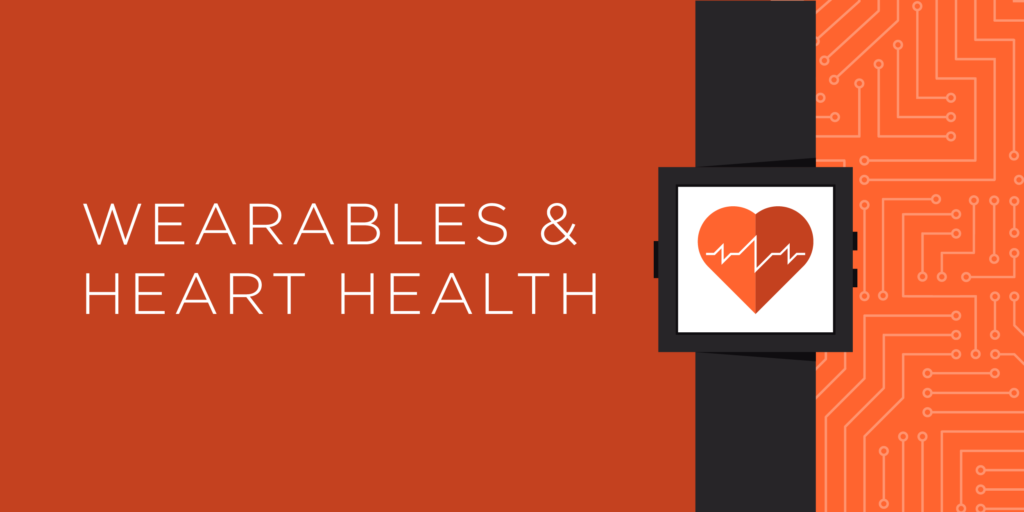
Over the past few years, the popularity of trackers has skyrocketed, and the trend doesn’t seem to be slowing down anytime soon. But does wearing a device really help people stay more engaged in their fitness? And, considering this is American Heart Month, is it a smart solution for keeping people heart healthy?
Our team looked into these questions and discovered that how trackers work to help improve heart health depends on who’s using the device. Our research identified five distinct personas of people who use wearable tracking devices:
People with Chronic Conditions
This group tracks at a greater rate than all others and takes more action as a result of their tracking. Detailed, specific daily health reports on blood pressure, respiration, oxygen, sugar levels, and—you guessed it—heart rate and rhythmic patterns are all essential to managing health conditions.
Athletes
Athletes know that keeping a workout within a certain “optimal heart rate” not only increases endurance and performance but also maintains heart health. They desire a tracker that can measure their heart rate.
Weight Managers
Studies show that using a food diary can double a person’s weight loss.1 On the flip side, tracking calories burned is also very important, and these devices are an easy way to do it.
Caregivers and Their Dependents
Wearables for the elderly are especially valuable because they can allow people the freedom to live independently. In some cases, a tracking device that alerts their caregiver or doctor when they are in need through location, posture, and heart rate data may even replace expensive nursing home care.
People Undergoing Severe Change
Women who are pregnant, people attempting to lose a dramatic amount of weight, and people who are quitting smoking are just a few examples of people who can use trackers throughout a change. Some wearables can even track a fetus’ heartbeat as well as a pregnant mother’s.
So the short answer seems to be that wearables can be helpful in keeping your heart healthy—if you use them in a way that makes sense for your lifestyle.
From all of us at Fusion Hill, have a happy, healthy American Heart Month.
It’s the season of love, happiness and candy hearts here at Fusion Hill. This Valentine’s Day we’re feeling impassioned about many of the things we do every day. Here are 10 #ThingsWeLove to celebrate this Valentine’s Day.
Creativity – No two clients or projects are created equal, and we love the challenge of creating customized, quality creative work based on solid research and effective problem solving. We’re repeatedly told that we bring true value to our clients and their consumers. From concept to execution, we develop solutions that are imaginative, captivating and, most important, effective.
Travel – Across the world, across the country or across the city, our team loves to travel and gain insight to meet the needs of our forward-thinking and diverse clients. In our free time, too, we love to stamp our passports!
Research – Our research team consists of a diverse mix – from MBAs to anthropologists to dreamers. Our multidisciplinary approach gives us a unique yet balanced approach to any challenge and makes our outcomes that much richer. Our research fuels everything we do – and is a key contributor to our success.
Service – Giving back to the community is a value shared by all at Fusion Hill. We have regular agency days of service, including our recent volunteering at Open Arms of Minnesota on MLK Day. And, since we know the best is inspired from within, we pay each employee four hours per month to volunteer at the organization of their choosing.
Strategy – Our research and design teams are linked to the strategy team, which enables us to fully understand the essence of our clients’ brands and develop an effective brand strategy or product concept. With years of experience working with some of the top brands in the world, our strategy teams often provide the backbone for the rest of our work.
Northeast – Our office is located in a redesigned warehouse in Northeast Minneapolis, Minnesota. Picture architectural angles all in white with bright windows, a private rooftop patio and high-design meeting spaces that help us produce the best work. You won’t see a single cubical in the whole building. We truly value our neighborhood and love sourcing products locally. We often look to nearby bakeries, coffee shops and restaurants to cater food or sneak away for an afternoon meeting. Though we do think globally, we’re proud to call Northeast our home.
Health Care – We’ve interacted with hundreds of consumers, patients, physicians, sales reps and health care providers, making our team experts on the health care industry: from medical devices to health care delivery. We love our work in this space because we get to be a part of improving health care, and people’s health overall, around the world.
Financial Services – With years of experience conducting and implementing research, strategy and creative for financial firms, we understand the complex channels from broker to advisor to consumer. From the unbanked to savvy HSA investors, we strive to understand consumers’ mindsets and inspire smart decision-making.
Consumer Packaged Goods – After myriad hours spent in grocery stores, malls and consumers’ homes, we understand the world of consumer packaged goods. We’ve used those insights to help develop engaging products and effective marketing strategies.
Spoiling Our Clients – Our designers, researchers and strategists find themselves moonlighting as elves throughout the year. We love our clients, and we love to spoil them – always including personalization, incredible design and, oftentimes, sweet treats. We hope our clients know how much we appreciate them!
All of these things, and more, make our work that much more meaningful to us. Happy Valentine’s Day to all – may your hearts be full and your candy jars be overflowing.
XOXO,
Fusion Hill
Tell us the things you love! Tweet us @FusionHill using #ThingsWeLove.
If you’ve ever named a child – or wondered why your parents picked your own name – you know just how important that choice can be. Naming a product or company is no different.
Over the years we’ve named everything from financial products to wellness programs. We’ve honed our approach with both creativity and strategy, beginning by analyzing naming trends and making sure we know the audience. We explore questions such as:
How savvy is the audience? Will it relate to a name that is trendy or one that is traditional?
Should the name be descriptive, suggestive, coined, tongue-in-cheek?
How should the name complement or differentiate from existing company sub-brands?
Should the name fall in line with what competitors are doing or be distinctive?
Of course, we also realize that sometimes a name doesn’t have to say everything. Intrigue and curiosity are often our most powerful tools.
With these questions answered, we then dive into our naming process. Gathering a mix of writers, designers, strategists and others, we explore words and categories that may work – letting our minds rove. Through several more rounds, we fine-tune suggested names. And in an age of hard-to-find URLs, we spend a lot of time exploring what’s actually possible to own.
Sometimes, the solutions come from those scheduled sessions. Other times it’s through scribbles on the napkins at restaurants. Or it’s an idea thought up during the morning shower or commute to work. As with anything we do that’s creative, we often find inspiration sparks at unexpected moments.
These days, naming is everything. In an age when trends are changing daily, it’s increasingly important to be intentionally relevant and impactful. Companies need names that can weather the storm of changing trends, resonate with their audience, and remain unique and creative. Our naming process includes the perfect balance of insight and imagination – and ultimately, the power that comes from allowing creativity to reach its full potential.
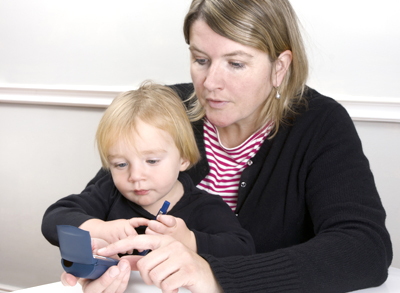
A diagnosis of Diabetes—either Type 1 or Type 2, is an emotionally charged one—in particular for families of children receiving the diagnosis. Fusion Hill’s research team has recently wrapped up a project exploring the lives of families who are still dealing with the news.
We learned a great deal about what shapes the family experience of dealing with a child’s Diabetes diagnosis, as well as the particulars of adapting to life with this increasingly common disease. Do you know anyone with Diabetes? Have you found yourself curious about how their family manages it?
By using our website, you accept our use of cookies as described in our Privacy Policy.
Manage consent
Privacy Overview
This website uses cookies to improve your experience while you navigate through the website. Out of these, the cookies that are categorized as necessary are stored on your browser as they are essential for the working of basic functionalities of the website. We also use third-party cookies that help us analyze and understand how you use this website. These cookies will be stored in your browser only with your consent. You also have the option to opt-out of these cookies. But opting out of some of these cookies may affect your browsing experience.
Necessary cookies are absolutely essential for the website to function properly. These cookies ensure basic functionalities and security features of the website, anonymously.
Cookie
Duration
Description
cookielawinfo-checkbox-analytics
11 months
This cookie is set by GDPR Cookie Consent plugin. The cookie is used to store the user consent for the cookies in the category "Analytics".
cookielawinfo-checkbox-functional
11 months
The cookie is set by GDPR cookie consent to record the user consent for the cookies in the category "Functional".
cookielawinfo-checkbox-necessary
11 months
This cookie is set by GDPR Cookie Consent plugin. The cookies is used to store the user consent for the cookies in the category "Necessary".
cookielawinfo-checkbox-others
11 months
This cookie is set by GDPR Cookie Consent plugin. The cookie is used to store the user consent for the cookies in the category "Other.
cookielawinfo-checkbox-performance
11 months
This cookie is set by GDPR Cookie Consent plugin. The cookie is used to store the user consent for the cookies in the category "Performance".
viewed_cookie_policy
11 months
The cookie is set by the GDPR Cookie Consent plugin and is used to store whether or not user has consented to the use of cookies. It does not store any personal data.
Functional cookies help to perform certain functionalities like sharing the content of the website on social media platforms, collect feedbacks, and other third-party features.
Performance cookies are used to understand and analyze the key performance indexes of the website which helps in delivering a better user experience for the visitors.
Analytical cookies are used to understand how visitors interact with the website. These cookies help provide information on metrics the number of visitors, bounce rate, traffic source, etc.
Advertisement cookies are used to provide visitors with relevant ads and marketing campaigns. These cookies track visitors across websites and collect information to provide customized ads.